Beverage Industry Association of the Philippines Celebrates 38 Years as the Collective Voice of the Beverage Sector

At a time when the beverage industry is navigating evolving regulations, sustainability demands, and shifting consumer preferences, collaboration has become more important than ever.
For nearly four decades, the Beverage Industry Association of the Philippines (BIAP) has played that role, bringing together the country’s leading beverage manufacturers to move forward with a shared purpose. As BIAP marks its 38th year, it remains a key forum for an industry that plays a consistent role in Filipino daily life.
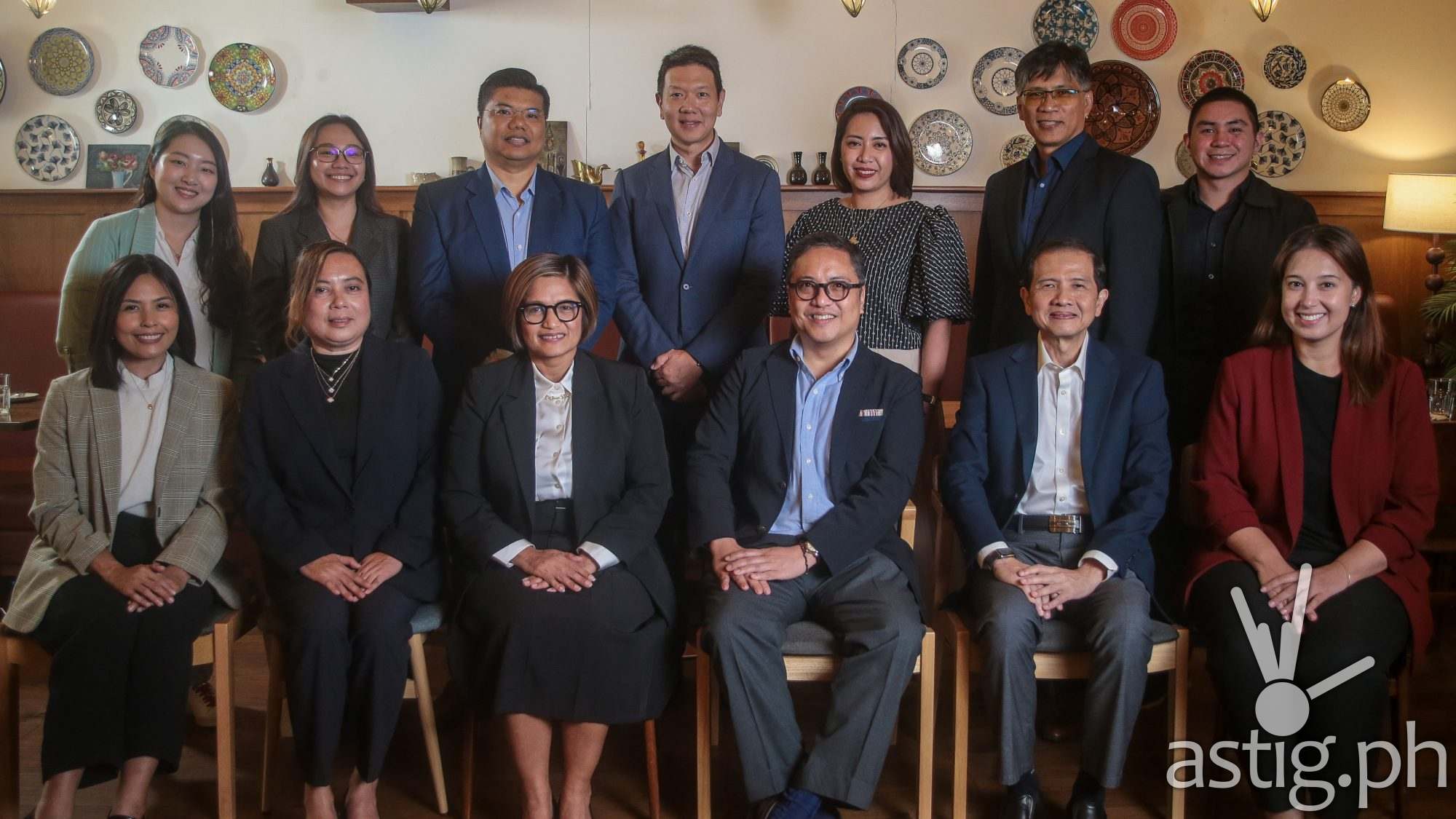
BIAP member companies at the celebration of association’s 38th anniversary last April 22 in Makati City.
A unified voice in a changing industry
From bottled water and fruit juices to soft drinks and energy beverages, the Philippine beverage industry is present in everyday moments across the country. Beyond what consumers see on shelves, it is also a major driver of manufacturing activity, employment, and economic contribution.
Established and registered with the Securities and Exchange Commission on April 28, 1988, BIAP was created to unite companies across this diverse landscape, providing a platform where industry players could collaborate, align, and engage on issues that shape both business and society.
In this evolving environment, no single company can effectively address industry-wide challenges alone. BIAP helps bridge this gap by enabling dialogue among its members and building consensus on key issues. This allows the industry to work more constructively with government and other stakeholders, and to contribute to policies that are balanced, practical, and responsive to broader economic needs.
Strengthening standards and shared progress
Beyond coordination, BIAP also plays an important role in promoting quality, safety, and integrity across the industry. Through good manufacturing practices, voluntary standards, and a shared code of ethics, the association helps ensure that products consistently meet expectations for quality and safety.
This has strengthened alignment on responsible practices, from product quality and safety to operational standards that support long-term sustainability, contributing to a more consistent and reliable beverage landscape.
Over the years, BIAP has also strengthened coordination on key policy and regulatory developments affecting the sector. As a platform for dialogue between manufacturers and the government, it helps ensure that industry perspectives are considered in discussions on taxation, product standards, and broader manufacturing policies.
It also provides a platform for knowledge sharing through seminars, workshops, and technical exchanges, while sharing relevant information to keep both members and the public informed about industry developments.
Continuing its role in the sector
BIAP’s strength lies in the diversity and leadership of its member companies, which include ARC Refreshments Corporation, Asia Brewery, Inc., Coca-Cola Europacific Aboitiz Philippines, Coca-Cola Philippines, Del Monte Philippines, PepsiCo, Inc., Pepsi-Cola Products Philippines, Inc., Mondelez Philippines, Nestlé Philippines, San Miguel Corporation, Universal Robina Corporation, Vouno Trade & Marketing Services and Philippine Spring Water Resources Inc. Together, these companies represent a broad cross-section of the beverage landscape, combining global expertise with strong local roots.
Leading the association is the association’s President, Atty. Juan Lorenzo Tañada, who also serves as Head of Public Affairs and Communications for Coca-Cola Europacific Aboitiz Philippines. Under his leadership, BIAP continues to function as a platform for industry coordination and engagement with key stakeholders and communities.
As the industry evolves, BIAP remains focused on helping its members respond to change responsibly. For BIAP, this means strengthening partnerships, supporting innovation, and continuing to provide a platform where the industry can move forward together for consumers. After 38 years, BIAP’s role remains clear: not just to represent the beverage sector, but to help shape how it grows—responsibly, collaboratively, and in step with national priorities.