

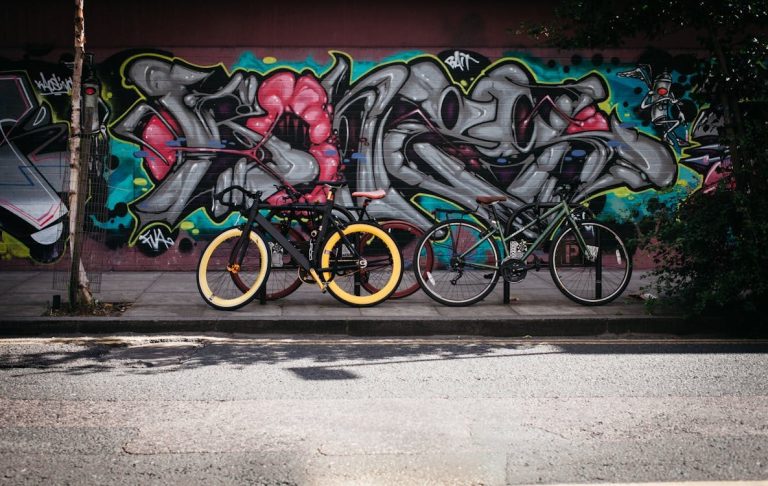

QUEZON CITY, Philippines (Mar 2026) — What most people dismiss as “dirt” or “anarchy” on a public wall might actually be a profound cry for help or a hidden masterpiece of Filipino storytelling. While the law often treats spray-painted scrawls as mere destruction of property, new research suggests that these “scribbles of discontent” serve as vital literature for those who have no other way to be heard.
A study from the Ateneo de Manila University’s Filipino Department challenges the way we look at vandalism and banyulatin (bathroom graffiti). Faculty researcher Harvey James G. Castillo argues that when people are pushed out of traditional public life, their voices find refuge in the margins—etched into bathroom stalls or spray-painted onto street corners where the “authority’s gaze” isn’t as sharp.
The power of the ‘hidden’ wall
Public spaces are rarely as neutral as they seem. According to Castillo, these areas are often sites of struggle where those in power decide whose voices get to stay and whose must fade. While the names of the wealthy are often displayed in plain view on buildings and infrastructure, the markings of the marginalized are pushed to the back.
This makes bathrooms and alleyways unique. In these semi-private spaces, the pressure of authority loosens, allowing people to speak more openly about their anxieties, political frustrations, or even their hopes. In this context, banyulatin becomes a collective conversation for those excluded from the “dominant narratives” of progress.
Reading between the cracks
The research, titled “Tinig-Karakter sa mga Pader: Graffiti, Bandalismo, at mga Banyulatin sa Piling Panitikang Filipino,” posits that graffiti is a form of testimony. By looking at these markings through the lens of Philippine literature, we can see them as historical records of class struggle, social surveillance, and even life under a dictatorship.
Castillo suggests that instead of simply painting over these marks, we should be reading them. They represent a refusal to be erased from the social fabric of the country. What was once dismissed as “noise” or a criminal offense is actually a vital intervention in public discourse—a way for the silenced to prove they still exist.
Where to read the full study
For those interested in the intersection of street art and social science, Harvey James G. Castillo’s full work was published in Humanities Diliman: A Journal on Philippine Humanities in December 2025. You can find more details about this and other innovations through the Ateneo’s research archive at archium.ateneo.edu.


