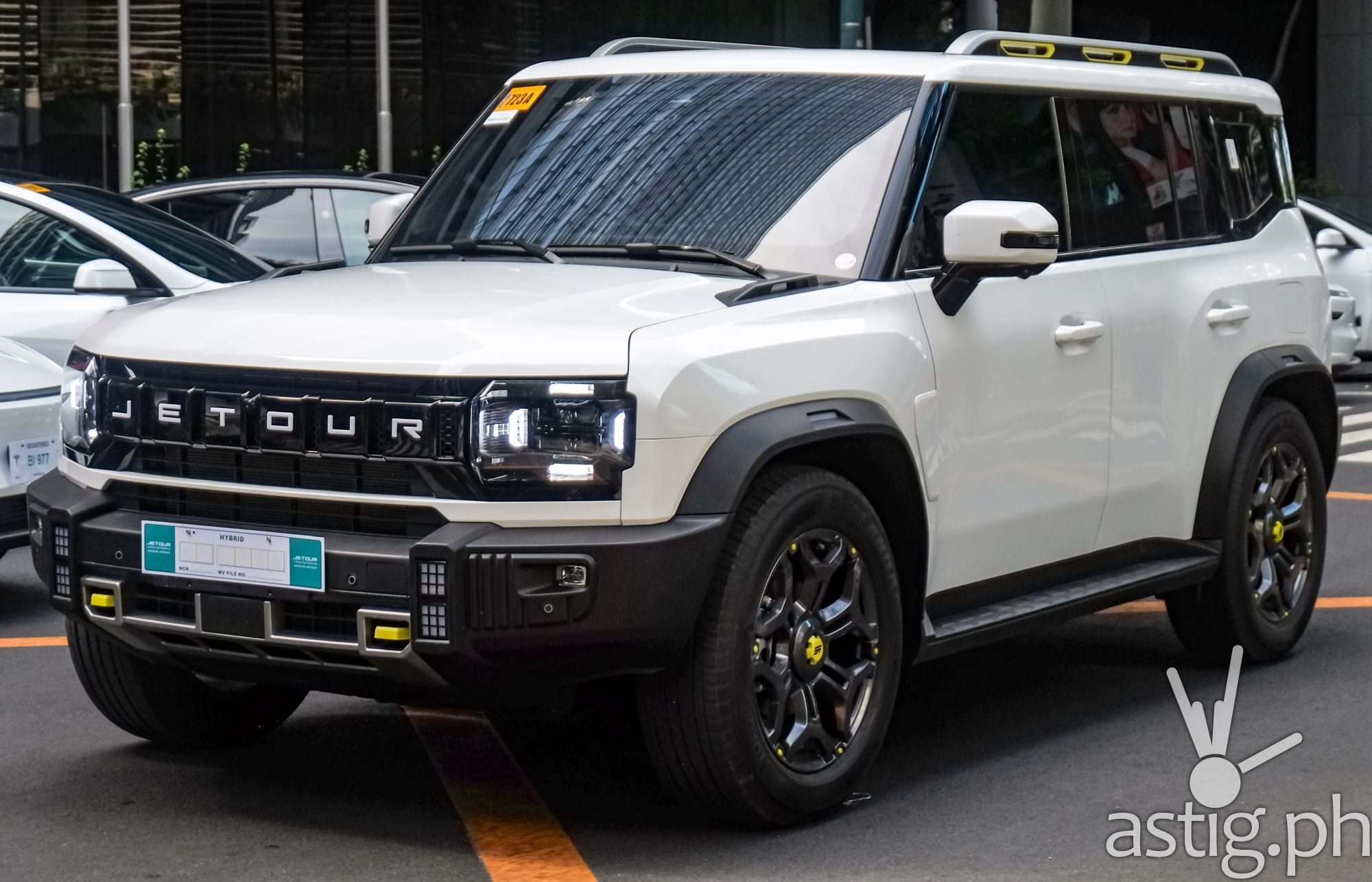


Car safety ratings are suddenly everywhere in the news, but not all of them mean the same thing. A wave of NCAP crash-test results covering several models on the Philippine market has hit headlines, and buried in the ratings is a confusing mix of safety bodies, revoked stars and spec-sheet asterisks.
Geely Okavango: a 5-star rating revoked
The Geely Okavango had a 5-star ASEAN NCAP rating, but in March 2026 ASEAN NCAP revoked that five-star rating. The revocation suggests a possible discrepancy between the tested variant and the production model that reached buyers. It shares its platform with the Proton X90, whose rating was also revoked.
Kia Sonet: 1 star, with a catch
Global NCAP gave the Kia Sonet a 1-star Adult Occupant Protection score, citing an unstable footwell area and no side-pole test. Kia Philippines was quick to clarify that the test was on a South African-spec car, not the Philippine-spec Sonet, which is made in China with different safety equipment. The Sonet’s child protection rating was 3 stars.
Jetour T2 and Mitsubishi Destinator: two clean 5-star runs
The Jetour T2 scored an 86.50-point 5-star ASEAN NCAP rating, with strong marks across adult and child protection plus pedestrian and safety-assist categories. The Mitsubishi Destinator also earned a 5-star ASEAN NCAP rating with 77.27 points, backed by ADAS features including AEB, forward collision warning and blind spot monitoring. Both are legitimate 5-star performers in the PH market.
Suzuki e-Vitara: 4 stars, different test
The Suzuki EV got a 4-star ANCAP rating from the Australian NCAP body, which follows different protocols from ASEAN NCAP. It is an Indian-made global EV, and its test is not directly comparable to the ASEAN-rated models above.
Why you can’t compare star ratings across regimes
This is the bigger point. ASEAN NCAP, Global NCAP, ANCAP and Euro NCAP all use different test speeds, different standard-equipment requirements and different scoring systems. A 5-star ASEAN result and a 1-star Global NCAP result on different cars of the same class do not mean one is five times safer. They mean the cars were tested by different yardsticks, and drivers need to know which yardstick was used.