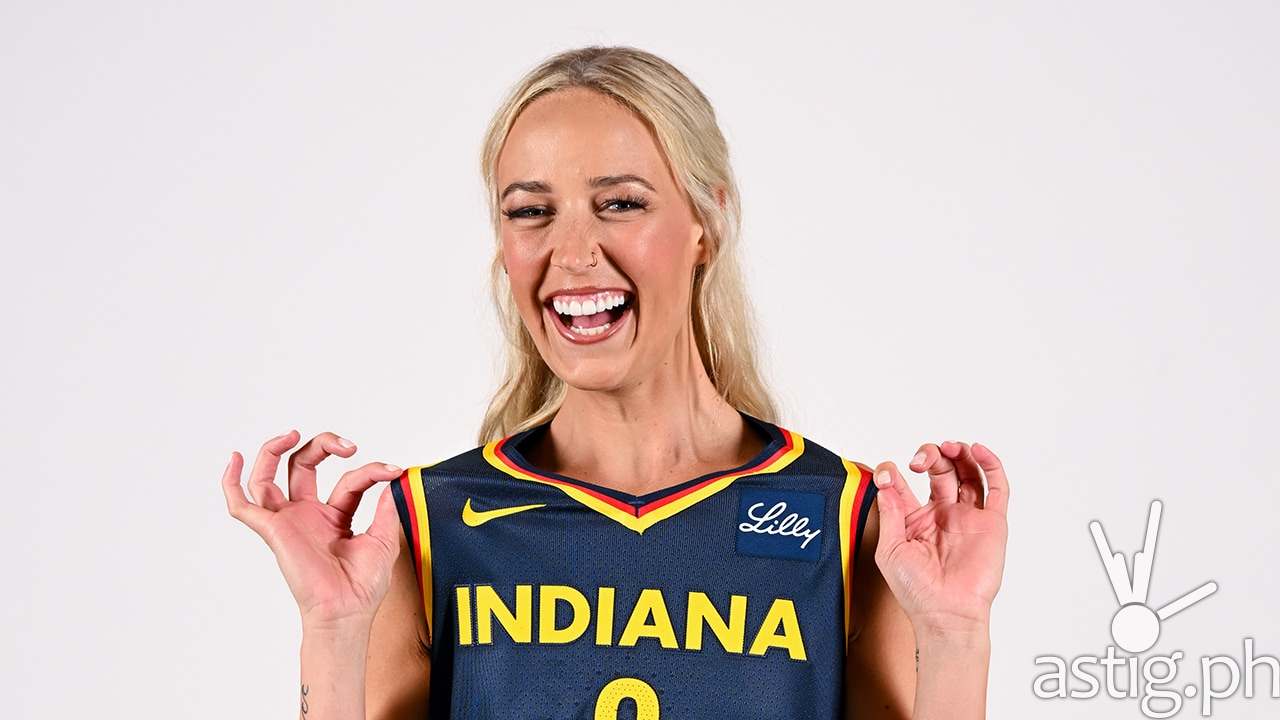


A WNBA player’s comments about transgender athletes have set off one of the league’s most visible conversations about inclusion, testing how a fast-growing league handles a politically charged debate. Indiana Fever guard Sophie Cunningham said she opposes transgender girls and women competing in girls’ and women’s sports, and the reaction has moved from the court to the league office.
What Cunningham said and how it landed
Cunningham’s stance, first reported through ESPN and a wide-ranging profile in USA Today, drew criticism from teammates, coaches and fans. Her position led to small rallies and protests outside Fever games in Seattle and Portland. Cunningham later said she wants to get back to basketball, but the debate she ignited did not settle.
The WNBA pushed back against ‘bad faith’
The WNBA strongly denounced what it called ‘bad faith’ efforts in the transgender athlete debate, saying the league does not yet have an eligibility policy and wants the discussion handled with respect. Commissioner Cathy Engelbert called for a task force to examine transgender athlete policies after the furor, and league leaders have signaled they will not rush a decision, including on whether male participation could ever be considered.
| Development | Status (Aug 2026) |
|---|---|
| WNBA eligibility policy on trans athletes | No formal policy yet; task force studying it |
| League response | Condemned ‘bad faith’ actors in the debate |
| Players union | Denounced transgender hate |
| Coaches / players | Split; some stress ‘sports is about belonging’ |
Inclusion voices inside the league
The response has not been uniform, but a clear strand has defended inclusion. A Golden State Valkyries coach countered Cunningham directly, saying ‘sports is about belonging’, and the players union denounced transgender hate following the backlash. The WNBA also stepped in on a fan incident, saying security was wrong to ask fans to cover shirts with transgender athlete messaging, underlining a league line that debate is allowed but harassment is not.
What comes next
Caitlin Clark’s arrival and the league’s growth have put the WNBA under a brighter spotlight than ever, and this debate shows the price of that attention. The task force has no deadline yet, but how the league writes or declines to write an eligibility policy will be watched closely by players and fans on both sides of the argument. For now, the immediate question is whether the league can keep the discourse professional while it studies the policy.